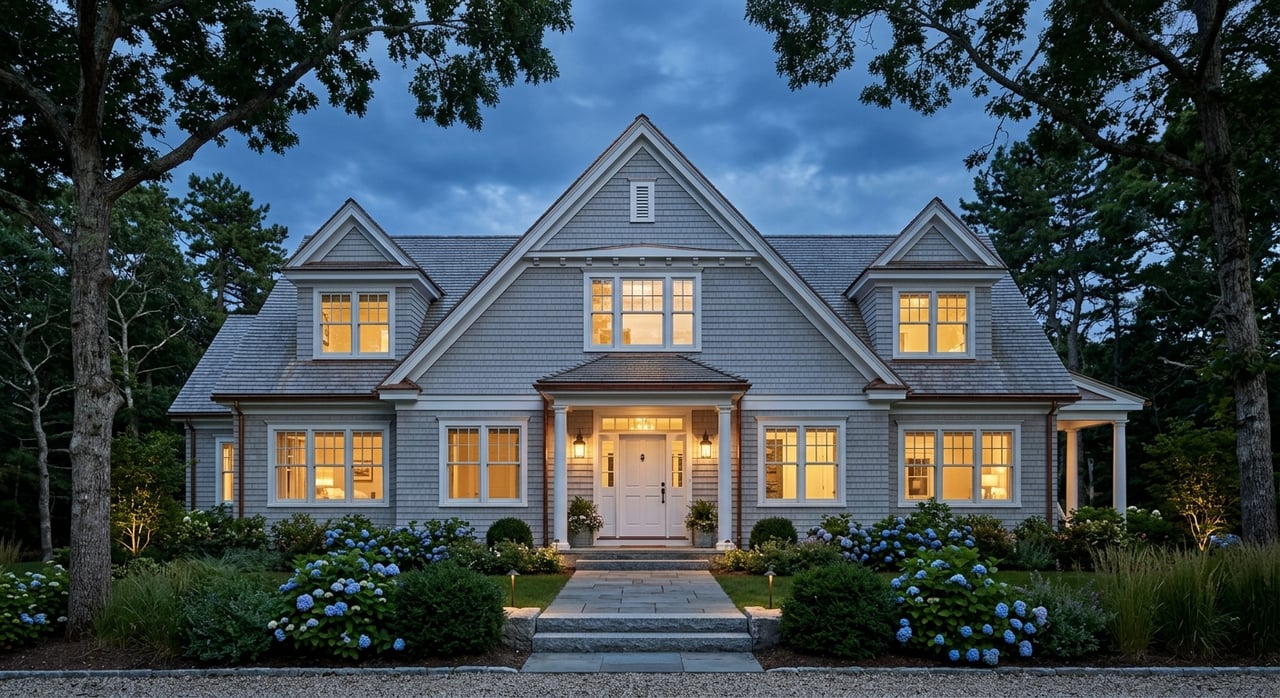
Marketing A Stonington Luxury Or Waterfront Home The Right Way
April 23, 2026
April 23, 2026
If you are selling a luxury or waterfront home in Stonington, putting it on the MLS is only the starting point. Buyers in this segment are not just comparing bedroom counts or price per square foot. They are evaluating setting, lifestyle, documentation, and how confidently the home is presented online. When your property deserves a premium result, the launch strategy matters. Let’s dive in.
Stonington is not a one-size-fits-all market. The town’s official overview highlights its coastal setting, maritime activity, arts, tourism, and access to major Northeast markets, all of which shape how buyers experience homes here as both residences and lifestyle properties. The town also notes that it is the only Connecticut town facing the Atlantic Ocean, which gives waterfront and village-area homes a distinctive position in the shoreline market.
That setting supports strong interest, but it also raises the bar for how a home should be marketed. According to the 2025 Eastern Connecticut Association of REALTORS® town report, Stonington recorded 184 residential sales, a median sale price of $612,500, an average sale price of $872,211, median days on market of 45, and 97% of list price received. In a market where presentation and pricing discipline can directly affect momentum, your launch should be intentional from day one.
A standard listing can put your home in front of buyers. A luxury listing campaign is designed to shape how buyers perceive value before they ever step inside. That means stronger visuals, better storytelling, more complete property details, and a distribution plan that reaches the right audience instead of relying on passive exposure.
This matters because buyers do a great deal of their decision-making online. In the National Association of REALTORS® 2025 buyer trends report, 43% of buyers said they first looked online for properties, and internet buyers rated photos, detailed property information, floor plans, virtual tours, and videos as especially useful. In other words, buyers expect more than a few images and a brief remarks section.
Before any photography or promotion begins, the home needs clear market positioning. That includes understanding where it fits in the current Stonington market, what makes it different from other available properties, and how buyers are likely to judge its value relative to location, water access, condition, and presentation.
For waterfront and upper-tier homes, pricing is closely tied to how well the listing explains the property. A beautiful home with vague details can create hesitation. A well-priced home with strong materials, clear documentation, and polished presentation is more likely to hold buyer attention and protect negotiating leverage.
For a Stonington luxury or waterfront home, media should not feel pieced together. It should present the property in a way that feels cohesive, polished, and easy to understand. Buyers often decide whether a showing is worth their time based on what they see online first.
According to NAR, high-resolution photos and video tours are essential parts of modern listing presentation. Floor plans also matter because they help buyers understand how the home lives, not just how it looks. That is especially important for waterfront properties where layout, entertaining flow, and orientation toward the water can influence value.
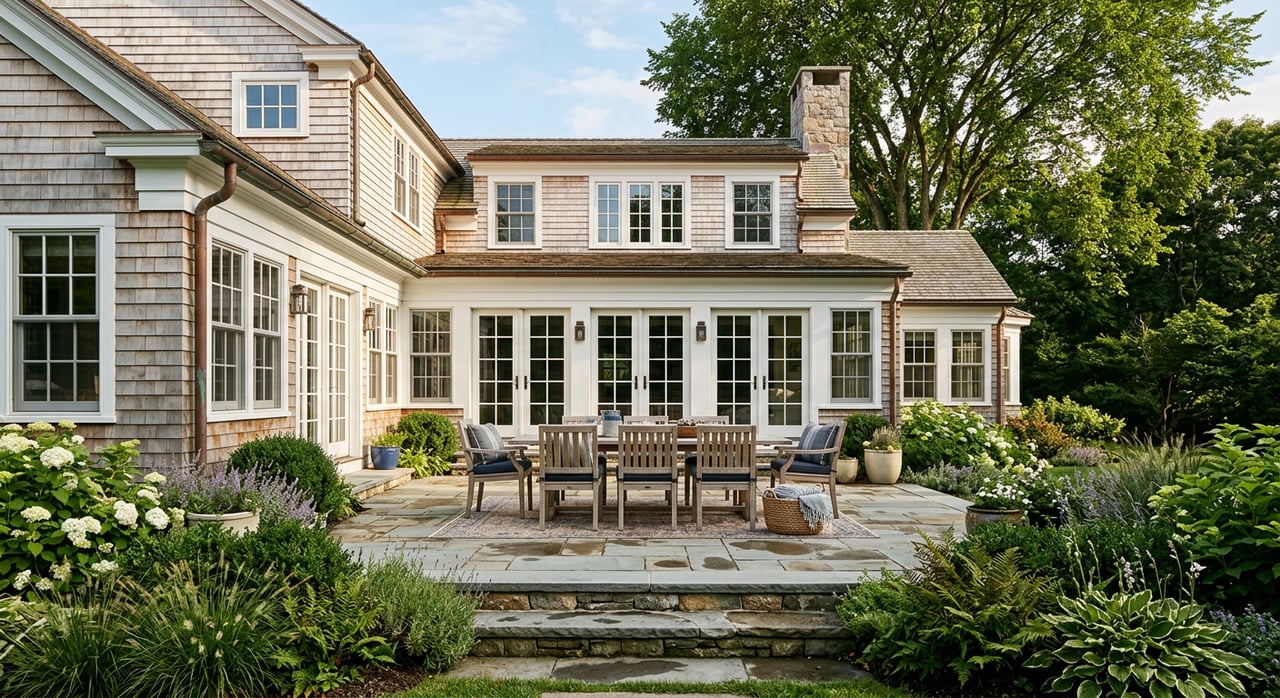
Luxury photography should do more than document rooms. It should capture natural light, architectural detail, views, outdoor living areas, and the relationship between the home and its surroundings. In Stonington, that may mean showing harbor views, terraces, lawns, porches, or the way the property connects to the shoreline setting.
Video can help buyers understand movement through the home and how indoor and outdoor spaces connect. For waterfront homes, that context matters because buyers are often imagining a full lifestyle, not just a floor plan. They want to understand arrival, privacy, entertaining areas, and how the home engages with the water.
Floor plans help serious buyers assess fit before they schedule a showing. They reduce uncertainty and help out-of-area buyers make faster decisions. When a home has guest space, multiple levels, or unique wings and additions, this becomes even more valuable.
Even exceptional homes benefit from staging or styling before launch. The goal is not to make a home feel generic. It is to help buyers focus on scale, flow, function, and the features that matter most.
In the 2025 Profile of Home Staging, 83% of buyers’ agents said staging made it easier for a buyer to visualize a property as a future home. For a Stonington waterfront property, that often means refining sight lines, simplifying rooms, and highlighting outdoor spaces so the home feels calm, intentional, and move-in ready.
Waterfront buyers often care deeply about how the home lives beyond the interior walls. Decks, patios, lawns, docks, and view corridors can all influence perception. Thoughtful staging helps these spaces feel purposeful and connected rather than secondary.
Luxury buyers notice clutter, deferred maintenance, and visual distractions quickly. Editing furniture, improving lighting, and preparing key spaces can help the home feel larger, brighter, and more refined. That can make your photos stronger and your in-person showings more effective.
With a waterfront home, marketing and due diligence go hand in hand. Buyers will want clear answers about flood exposure, insurance context, docks, moorings, access, and any harbor-related restrictions or approvals. If those answers are not ready at launch, momentum can slow.
That is especially relevant in Stonington, where the harbor and waterfront are formally managed. The town’s Harbor Management Commission oversees items such as moorings, fees, and administration, which means these details are central to buyer decision-making, not side notes.
Flood risk should be addressed clearly and early. FEMA’s Flood Map Service Center is the official public source for flood-hazard mapping, and FEMA notes that most homeowners insurance does not cover flood damage. Buyers and lenders may use flood maps to understand insurance requirements, so having this information organized upfront helps reduce friction.
If your property includes or benefits from dock use, mooring access, or other boating-related features, those facts should be documented carefully. Buyers may need clarity on what is included, what approvals apply, and whether any wait lists or local procedures affect use. In a harbor-oriented market like Stonington, these details can shape value significantly.
The MLS is still the foundation of listing exposure, but it should not be the entire plan for a premium home. NAR reports that 88% of sellers list on the MLS, yet buyers increasingly rely on rich digital content and online discovery tools when deciding what to tour. That means your listing campaign should extend beyond baseline exposure.
A stronger rollout often includes:
The point is not to market everywhere at once. It is to put the home in front of the buyers most likely to appreciate its value.
A luxury listing often has too much to say for a standard MLS field set. A dedicated microsite gives buyers one polished place to view photos, video, floor plans, maps, and property-specific documents. It also helps keep the story of the home consistent across channels.
That approach aligns with what buyers say they actually use online. NAR’s web feature data show that photos, detailed property information, floor plans, virtual tours, neighborhood information, and interactive maps all rank as useful. A microsite brings those assets together in a way that feels organized and premium.
Not every listing needs international reach, but some Stonington homes clearly benefit from it. Waterfront estates, architecturally distinctive homes, and lifestyle-driven properties may appeal to second-home buyers, relocating buyers, or buyers already following coastal markets beyond Connecticut.
That is where broader syndication can add value. Sotheby’s International Realty reports a network of more than 1,100 offices in 84 countries and territories, more than 26,100 independent sales associates, and more than 33 million visitors to sothebysrealty.com in 2024. For the right property, that kind of reach can expand the buyer pool in a meaningful way.
A premium marketing plan should reduce uncertainty before the first showing. Buyers should be able to understand the home’s layout, location context, water-related features, and major value drivers without having to chase basic information. The more complete and polished the listing package is, the more confidence you create.
That confidence matters in negotiation as well. When buyers see a home that is well prepared, well documented, and thoughtfully positioned, they are more likely to treat it as a serious offering. That can help preserve your leverage and support a smoother path from launch to closing.
If you are preparing to sell a Stonington luxury or waterfront property, the right strategy is not about more marketing for the sake of it. It is about smarter preparation, stronger presentation, and targeted exposure that reflects the value of your home. If you want a tailored plan for your property, The Thomas & LaBonne Team can help you build a launch strategy designed for the Stonington market.
Stay up to date on the latest real estate trends.


With a passion for real estate and a deep understanding of the market, Dave Thomas is committed to delivering results that exceed expectations. Work with the trusted agent who knows Southeastern Connecticut inside and out.