Mystic Weekend Guide for Future Home Buyers
March 5, 2026
March 5, 2026
Thinking about Mystic for your next home and want to experience it like a local, not a tourist? A smart weekend here can tell you a lot about seasons, traffic, commute options and what different streets feel like after dark. In this guide you’ll find a simple buyer’s itinerary, a market snapshot with context, and a checklist to help you compare homes and neighborhoods. Let’s dive in.
Mystic is a historic village along the Mystic River that sits within two towns. Properties on the west side are in Groton and those on the east side are in Stonington. Mystic is not its own municipality, so services and taxes come from the town your parcel is in. You can read more about this structure in the overview of Mystic’s history and governance on Wikipedia.
Mystic draws visitors far beyond its small permanent population, which was about 4,300 in 2020. Summer and holiday weekends bring heavier foot and vehicle traffic along the river and Main Street. Winters run quieter, which some buyers prefer. If you value calm, note where you hear boat horns and restaurant buzz at peak times.
Getting here is simple by car with I-95 nearby. The Mystic Amtrak station sits on the Northeast Corridor and is served by a limited number of Northeast Regional trains. It is handy for occasional trips to Providence, Boston or New York, but it is not a frequent commuter line. For service notes and station details, see the Mystic station profile.
Downtown clusters around the Mystic River and the iconic Mystic River Bascule Bridge. The bridge opens frequently in summer, often on an hourly schedule from May through October, which adds charm and also pauses vehicle traffic. Restaurants and shops line both sides of the river, so it is a great place to start or end your day.
Real-estate lens:
Set aside a half day for the Mystic Seaport Museum. It is a large, experiential maritime campus with historic vessels, a working shipyard and rotating exhibits. It can easily fill an afternoon and gives you a picture of seasonal visitor volume near the riverfront.
Real-estate lens:
The Aquarium is a major regional draw with exhibits that appeal to a wide range of visitors. It brings steady daytime activity, including school trips during shoulder seasons.
Real-estate lens:
Walk the open-air Olde Mistick Village for shopping and snacks, then head downtown for dinner. You will find casual to chef-driven spots, including long-running inns and newer kitchens like Oyster Club. As you move around, note which businesses stay open year-round and which are seasonal.
Real-estate lens:
In a small, coastal market like Mystic, different data providers show different medians. Use these figures as guideposts, not hard rules, and plan to confirm a same-day snapshot with a local agent before you set a budget.
The bottom line: expect a wide range from the mid-$400ks to well over $1 million depending on neighborhood, walkability and waterfront or historic status. Homes close to the river or in sought-after enclaves like West Mystic, Mason’s Island and the Mystic Historic District often trade above ZIP-wide averages.
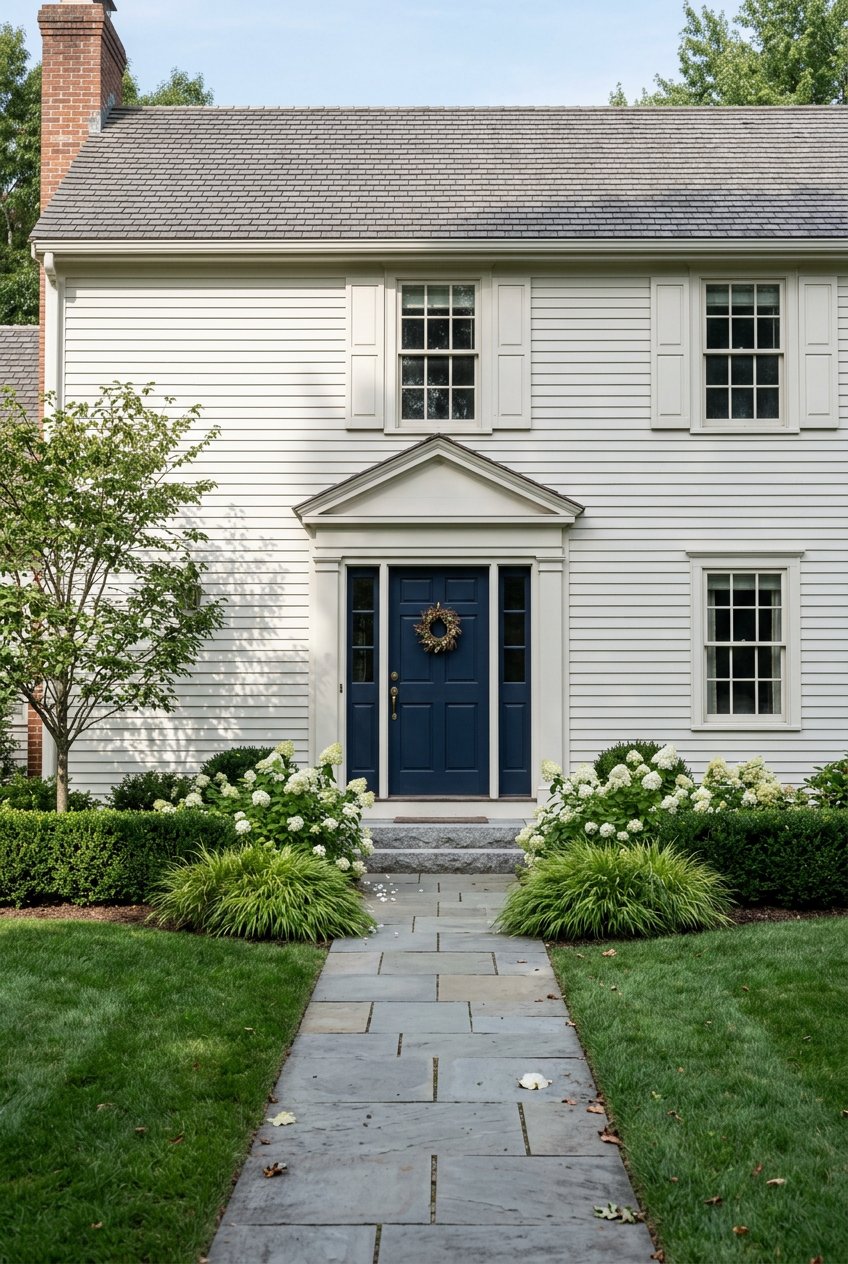
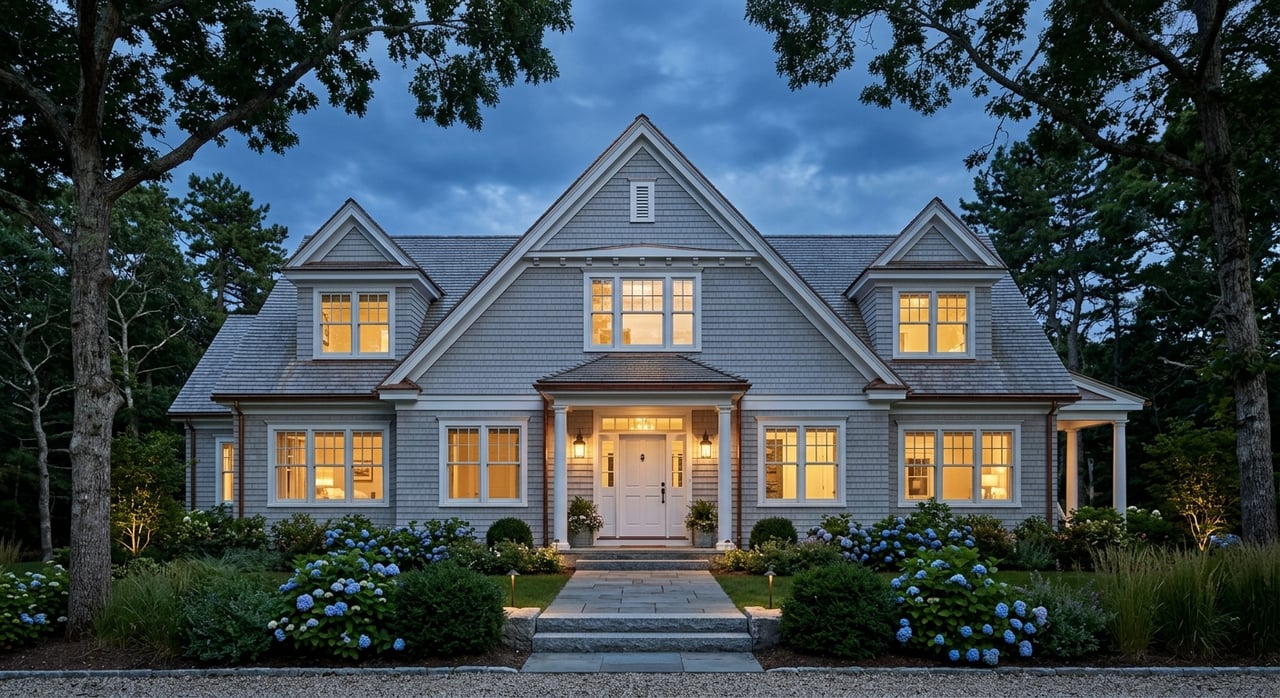
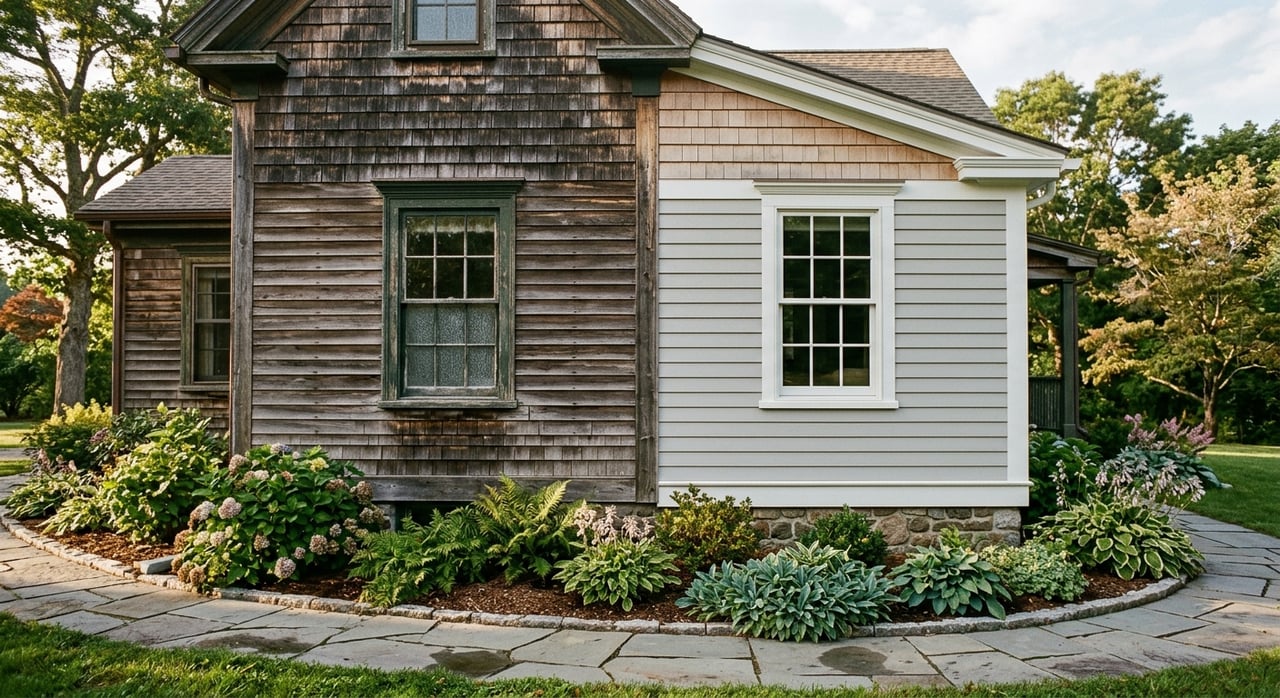
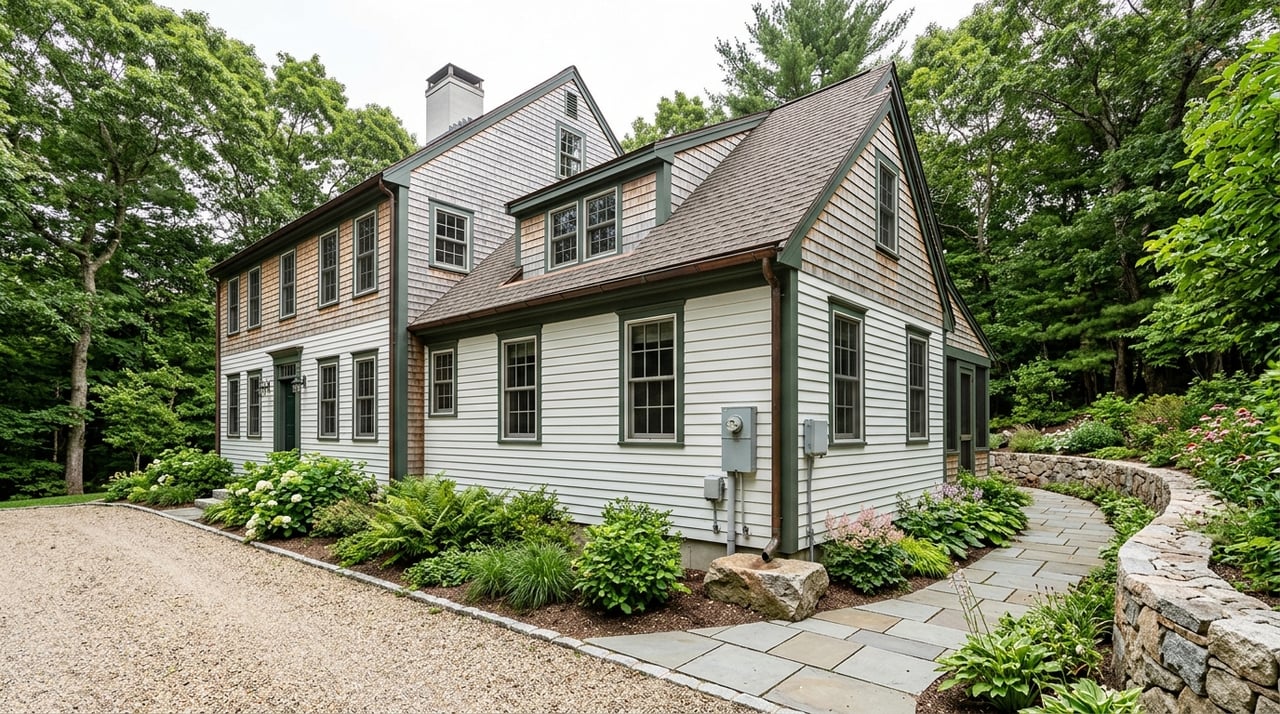
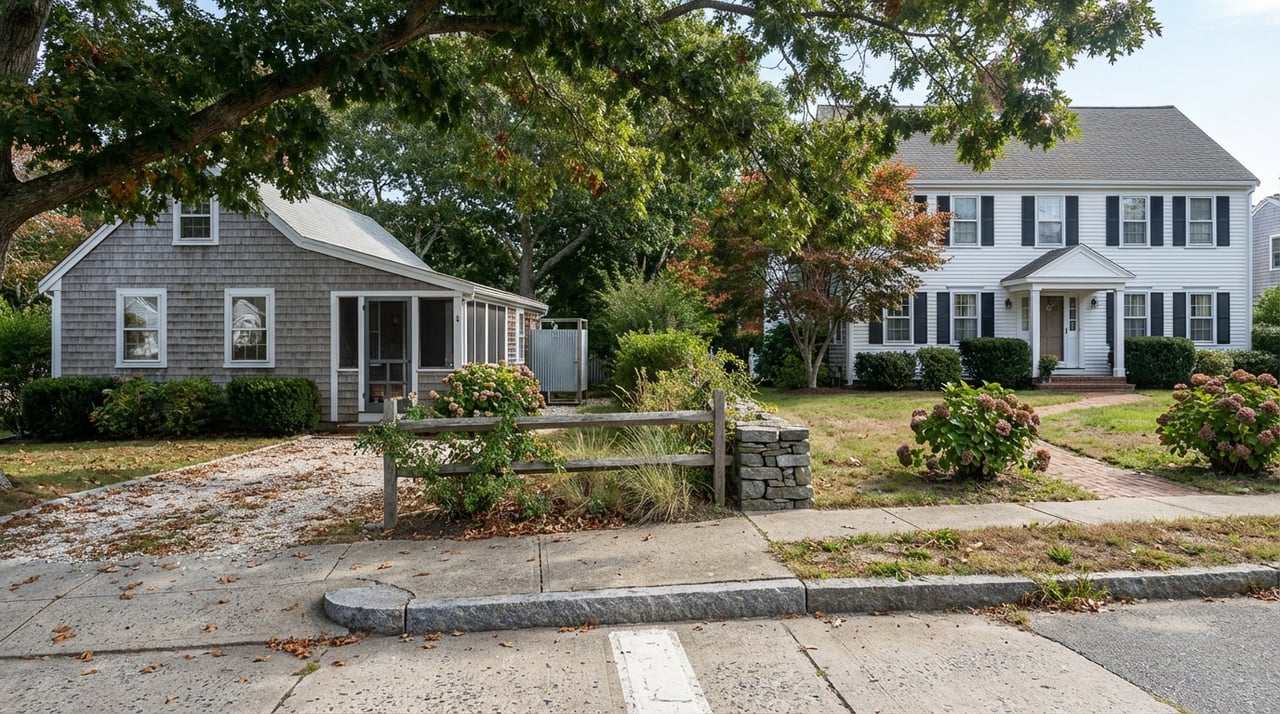
You will see classic New England architecture: Colonials, Victorians, saltbox cottages and summer houses. Closer to the river there are historic row or wharf houses and a handful of condominium and townhouse options for lower-maintenance living. Historic designations preserve character and can shape exterior renovation rules.
Downtown and near the river, homes with views and walkability draw strong demand. Inland pockets offer more modest single-family options on quieter streets. Waterfront ownership can include private docks or access to marinas and municipal moorings. Title and water-access rights vary, so verify the exact terms if boating is part of your plan.
Connecticut’s shoreline planning bodies recommend using a sea-level rise planning figure of about 20 inches by 2050 for Long Island Sound. That guidance informs local resiliency work in low-lying areas along the river. If you are serious about a property, check both current FEMA flood maps and the state’s inundation tools.
If a home falls in a mapped flood zone, your lender may require National Flood Insurance Program coverage. Private flood options exist in some cases. Ask for the current flood zone, elevation certificate and any loss history.
Parts of Mystic sit within designated historic districts and include properties on the National Register. Exterior changes often require review, so factor time and cost into renovation plans. Early contact with the local historic commission can save you delays.
Because Mystic spans Groton and Stonington, your tax rate and assessment depend on which town your parcel is in. Each town runs its own assessor, tax collector and payment schedule. Some streets connect to municipal sewer while others rely on private septic systems. Confirm all details with the town before you make assumptions.
School assignment depends on which town you live in. Parcels on the Stonington side attend Stonington schools, while Groton addresses attend Groton district schools. If schools are part of your decision, confirm boundaries and any regional magnet choices directly with the districts.
Mystic’s tourism supports B&Bs and short-term rentals. Rules differ by town and may evolve. Check permitting and zoning pages for current short-term rental standards, and ask about parking restrictions if you plan to operate or buy near busy areas.
The nearest full hospital system is Lawrence + Memorial Hospital in New London, with urgent-care and outpatient clinics closer to Mystic. For groceries and errands, many residents use nearby options in Groton, Pawcatuck and Westerly. During your visit, time your drive to see how long routine trips take in traffic.
Before you go:
Day 1 morning:
Day 1 midday:
Day 1 late afternoon:
Day 2 morning:
Day 2 afternoon:
Questions to ask sellers, agents or locals:
If Mystic feels right, your next move is getting current, street-level context and a same-day market read. We can help you compare neighborhoods, confirm flood and tax details and set up a viewing plan built around your goals. For a calm, data-informed path to buying on the Connecticut shoreline, reach out to The Thomas & LaBonne Team to schedule a free consultation.
Stay up to date on the latest real estate trends.


With a passion for real estate and a deep understanding of the market, Dave Thomas is committed to delivering results that exceed expectations. Work with the trusted agent who knows Southeastern Connecticut inside and out.