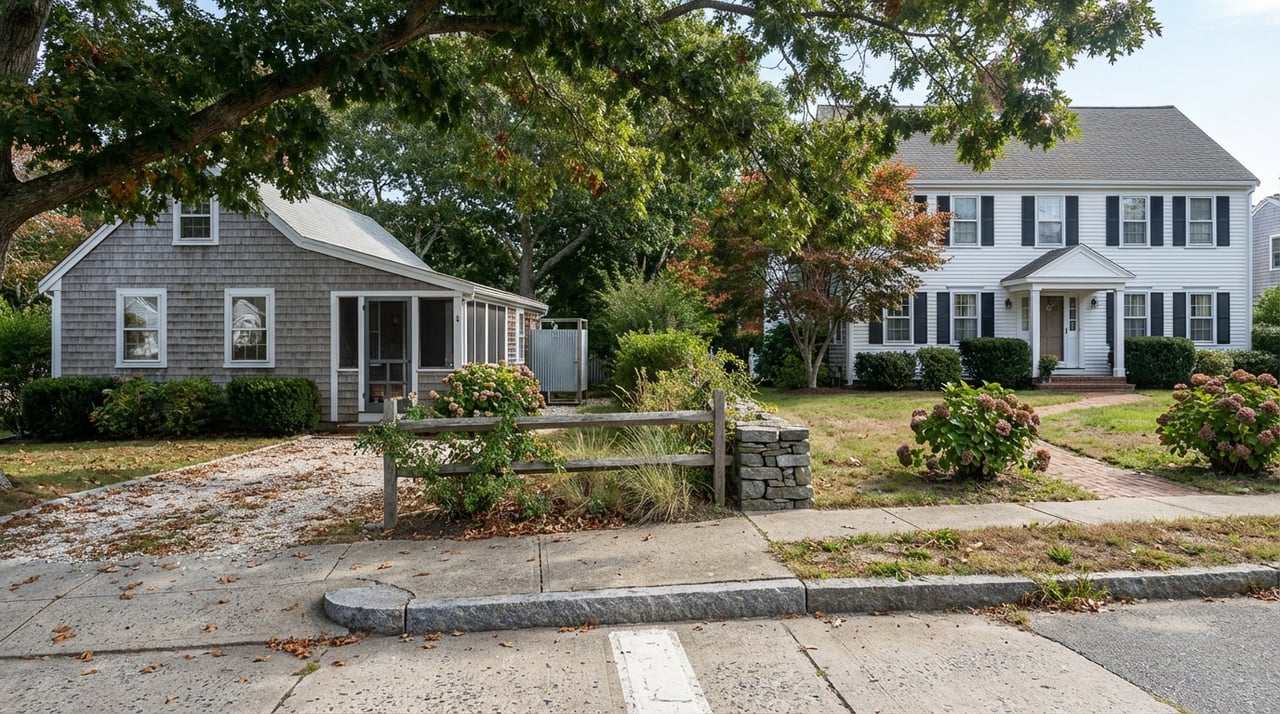
East Lyme Neighborhood Comparison: Coastal and Village Lifestyles
February 19, 2026
February 19, 2026
Torn between salt-breeze mornings by the bay and a quieter cul-de-sac just inland? In East Lyme, you can choose a coastal lifestyle centered on Niantic or a more traditional village setting around Flanders. Each offers a distinct rhythm, housing profile, and set of trade-offs. This guide breaks down what changes when you live by the shoreline versus inland, from walkability and commute to pricing and flood insurance. Let’s dive in.
East Lyme is commonly described through two village areas: the seaside village of Niantic and the inland village around Flanders. You’ll also find other neighborhoods and shoreline pockets that branch off each. The result is a town where you pick the setting that matches your pace, while still staying close to the coast.
Town-level data helps set expectations. U.S. Census QuickFacts estimates East Lyme’s population at about 19,004 as of July 1, 2024, and reports a mean travel time to work of 26.0 minutes for 2019–2023. The 2019–2023 median owner‑occupied housing value is $387,500, which is a long‑run baseline rather than a live listing metric. These figures provide context, while current listing prices and inventory shift month to month.
Along Niantic and the shoreline corridor, you’ll see a mix of year‑round waterfront homes, classic cottages, seasonal condos, and beach‑adjacent properties. Lots near the water often command a premium. Short‑term rental interest tends to be stronger close to the beach, and some parcels sit in mapped flood areas where building or renovation may face additional rules.
Niantic’s village core offers shops and restaurants within a compact area, plus the Niantic Bay Boardwalk that runs for about 1.1 miles along the water. You can enjoy beach days at McCook Point and explore nearby parks like Rocky Neck State Park. Walkability varies by block, though. Central addresses near Main Street may feel “somewhat walkable,” while many shoreline streets are more car‑dependent. Check address‑level data rather than assuming the whole village is walkable. Example data points appear on Walk Score for a central Niantic location.
Move a few minutes inland and the tone shifts. The Flanders area and interior neighborhoods lean toward conventional single‑family homes, some larger lots, and historic village houses. You’ll generally see less tourist activity day to day, and lower direct exposure to coastal storm surge for many properties.
Inland addresses are often car‑dependent for errands, though you’re still within quick drives to beaches, Route 1, and I‑95. The coastal amenities are minutes away, which lets you “opt in” to the shore scene without living on it. For an address‑by‑address picture of walkability, use tools like Walk Score and confirm parking or seasonal rules if you plan to spend weekends on the waterfront.
The town-level mean commute is 26.0 minutes, which is one reason East Lyme works for regional jobs. Car access to New London, Groton, and points east or west is straightforward in normal traffic via I‑95. For rail, Shore Line East runs New Haven to New London, with active stations in Old Saybrook and New London that many Niantic residents use. Check current schedules, parking, and connections before you commit to a routine.
If you buy by the water, take time to understand flood zones and policy. East Lyme’s Coastal Resilience, Climate Adaptation & Sustainability Study (CRCASS, Dec 10, 2018) notes 639 structures in mapped flood zones at the time of the study and recommends actions like adopting freeboard, advancing living‑shoreline work, and targeting key drainage and egress projects. Freeboard adds vertical elevation beyond the base flood elevation, which often lowers premiums and improves long‑term resilience but can increase near‑term build or retrofit costs.
Flood‑insurance rules are map and property specific. If a property is in a Special Flood Hazard Area on FEMA’s Flood Insurance Rate Maps, a federally backed mortgage usually requires flood insurance. The town directs buyers to review current FEMA maps and reminds owners that map updates can change requirements.
Premiums are also influenced by FEMA’s Risk Rating 2.0, which prices risk at the property level. Get quotes from both the National Flood Insurance Program and private carriers so you can compare coverage and cost.
Listing-site snapshots provide a timely lens. For example, Realtor.com reported a recent East Lyme median listing price of about $565,000 (Oct 2025 reporting). That figure can diverge from the multi‑year Census median value and will move with inventory mix and seasonality. Waterfront proximity, lot characteristics, elevation, and renovation scope can all shape pricing. In summer, short‑term rental demand and tourism can add attention to beach‑adjacent streets. The town’s interest in short‑term rental policy, signaled by its Ad‑Hoc Short‑Term Rental Committee, is another factor to monitor as you plan.
Coastal/Niantic strengths
Coastal/Niantic considerations
Village/Inland strengths
Village/Inland considerations
If you want dawn strolls on the boardwalk and spontaneous beach time, address‑specific walkability in Niantic may be worth a premium and some added planning around flood and insurance. If you prefer a calmer, more traditional neighborhood that keeps the shoreline close but not underfoot, Flanders and inland pockets deliver value and simplicity. Either way, you can live near the water and shape the lifestyle that suits you.
If you’d like a tailored search that weighs elevation, walkability, insurance, and commute against your goals, connect with The Thomas & LaBonne Team. Schedule a free consultation and we’ll help you compare options side by side.
Stay up to date on the latest real estate trends.


With a passion for real estate and a deep understanding of the market, Dave Thomas is committed to delivering results that exceed expectations. Work with the trusted agent who knows Southeastern Connecticut inside and out.