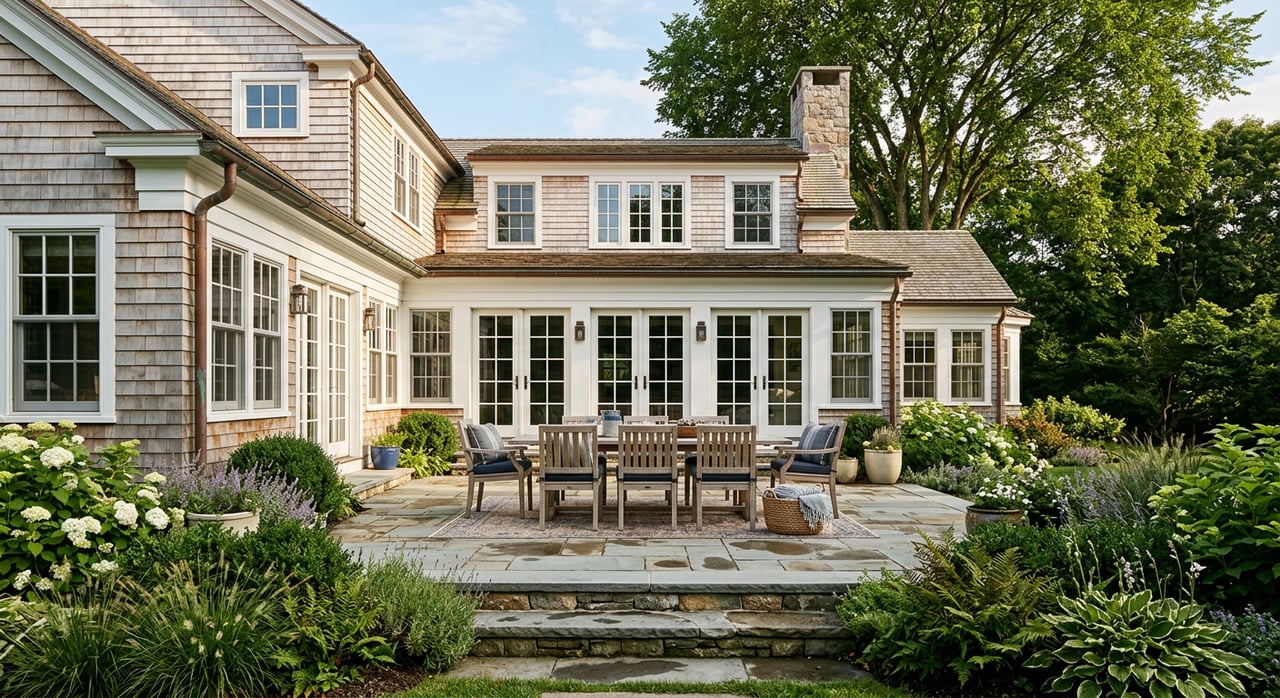
Buying A Mystic Home With Short‑Term Rental Potential
March 12, 2026
March 12, 2026
Thinking about a Mystic home that can also help pay for itself with short stays? You are not alone. Mystic’s coastal charm and steady visitor traffic make it a natural fit for short‑term rentals, but the rules and numbers only work if you plan ahead. In this guide, you will learn how local regulations differ by address, how Connecticut taxes short stays, and what guests look for in Mystic so you can buy with confidence. Let’s dive in.
Mystic is split between two towns: the Town of Groton and the Town of Stonington. Which side your property sits on determines the rules you must follow. Before you underwrite any rental income or publish a listing, confirm the municipal jurisdiction for the exact address and pull the current guidance from the town.
Groton and Stonington have taken different paths on short‑term rentals. That means compliance steps, permits, and even where STRs are allowed can differ across the Mystic River.
The Town of Groton adopted zoning text amendments that define and regulate short‑term rentals. The amendments, recorded as REGA23‑0001, became effective May 15, 2024. You should treat this as the current zoning pathway for new STR uses in Groton. Review the town’s action and effective date in the official file for Groton’s adopted zoning text amendments.
In practice, Groton’s approach signals that:
Because these are zoning controls, the details depend on the specific property and district. Plan to verify whether a site plan or special permit applies for your address and confirm the parking and owner‑occupancy standards before you buy.
Stonington pursued a citizen‑initiated ordinance process in 2022–2023, but voters rejected the proposal in a March 13, 2023 referendum by a reported vote of 694 to 342. You can read the town’s update on that outcome in the archived referendum summary.
While the specific proposal did not pass, the town’s draft materials are useful to understand likely operational expectations if Stonington revisits regulation. Drafts included ideas such as:
Bottom line for buyers: your compliance path differs by town. In Groton, new STRs follow adopted zoning rules. In Stonington, the 2023 ordinance failed, but posted drafts show what the town has considered. Policies can change, so plan to confirm current requirements with town staff before you advertise.
Connecticut applies a statewide room‑occupancy tax to stays of 30 consecutive days or fewer. The rate for most short stays is 15 percent. The state explains how room occupancy is taxed and when it applies in Department of Revenue Services guidance.
Many large platforms collect and remit Connecticut lodging taxes under marketplace facilitator rules enacted in 2019. Even so, you must confirm how your listing is treated, verify your registration and filing needs with DRS, and keep your own records. For a plain‑English overview of the facilitator change, review this 2019 Connecticut tax developments summary.
Practical tip: before launch, check your platform’s tax settings, confirm whether DRS still requires you to register, and build a simple ledger that tracks gross bookings, nights, platform fees, and taxes collected.
Even if your town does not require an STR permit today, you are still responsible for safe operation and compliance with building and fire codes. Municipal materials often require owners to attest to working smoke and carbon monoxide detectors, and some allow inspections to confirm egress and maximum occupancy. Stonington’s draft ordinance language is a good example of the kinds of safety attestations many towns expect. Review the concepts in the draft ordinance document.
Insurance is another key check. Standard homeowner policies may exclude commercial short‑term rental use. Many owners add an STR endorsement or obtain a dedicated policy with robust liability coverage. Talk with an insurance broker who understands STR riders, your loan requirements, and how guest damage and liability are handled.
If you are buying a condo or a home in an association, do not assume rentals are allowed. Connecticut practice places real weight on recorded declarations and bylaws under the Common Interest Ownership Act. Always request the declaration, bylaws, rules, and any rental‑restriction history before you remove contingencies. The Connecticut Judicial Branch Law Library provides a helpful overview of condo law and resources at the condominiums law library page.
Mystic draws visitors year‑round, with strong summer peaks and steady shoulder seasons tied to events and school breaks. Top regional attractions include Mystic Seaport, Mystic Aquarium, downtown Mystic’s shops and dining, marinas, and seasonal festivals. For a feel of what drives demand, explore the state’s Mystic Country travel page.
Features that tend to increase bookings in Mystic:
Pricing and occupancy are often tied to calendars. Watch local event listings, boat show dates, and holiday weekends. Build a seasonal pricing plan that adjusts for summer peaks, fall foliage weekends, and quieter winter months.
Use this step‑by‑step list to move from idea to purchase with confidence:
Buying in Mystic with short‑term rental in mind is very doable when you follow local rules and build a plan for safety, taxes, and guest experience. If you want a property that balances your lifestyle with smart rental upside, let a local advisor guide you from address selection to zoning checks and launch strategy. Connect with The Thomas & LaBonne Team to discuss neighborhoods, permitting paths, and properties that fit your plan. Schedule a free consultation.
Stay up to date on the latest real estate trends.



With a passion for real estate and a deep understanding of the market, Dave Thomas is committed to delivering results that exceed expectations. Work with the trusted agent who knows Southeastern Connecticut inside and out.