
Old Lyme Waterfront Pre‑Listing Checklist
January 1, 2026
January 1, 2026
Are you getting ready to list a waterfront or beach‑association home in Old Lyme? The right prep can add real leverage to your price, shorten time on market, and reduce surprises during negotiations. You want a smooth sale that showcases your shoreline lifestyle while answering the questions lenders, insurers, and cautious buyers will ask. This guide gives you a focused, waterfront‑specific checklist, from documents and light repairs to media timing and vendor support. Let’s dive in.
Buyers will look for a clear deed and recent title information showing any easements or recorded rights of access. A recent boundary and shoreline survey is especially helpful on the coast, where waterline placement and upland boundaries can affect value. If you do not have a current survey, consider ordering one early, since it can take time.
Confirm your flood zone using the current FEMA Flood Insurance Rate Map. If you have one, share your elevation certificate, which many lenders and insurers will request. You can learn how elevation certificates are used and obtained through FEMA guidance on elevation certificates.
Collect permits and approvals for docks, bulkheads, seawalls, rip‑rap, and any shoreline stabilization or dredging. In Connecticut, coastal permits often involve the Connecticut DEEP Coastal Resources, and some older structures may be grandfathered. Keep any engineering reports or marine contractor documentation that shows condition or recent work.
If your property is part of a beach association or HOA, assemble the bylaws, rules, fee schedule, budgets and reserves (if available), recent meeting minutes, parking and guest policies, mooring or dock rules, and any special assessments or pending litigation. Buyers want to understand the experience and obligations before they make an offer.
Provide service and repair records for your dock, bulkhead, decks, siding, windows, HVAC or boiler, septic and well, and major appliances. If you have a marine or structural inspection report for waterfront elements, include it. Organized records reduce perceived risk and can support a stronger price.
Note any wetlands or coastal setbacks on file and any zoning or conservation restrictions that affect future changes. The Town of Old Lyme Land Use Department can be a starting point for permits and shorefront records. For complex questions about riparian rights or foreshore ownership, consult a real estate attorney.
Prepare state seller disclosures and the federal lead‑paint disclosure for homes built before 1978. Your agent can confirm the current state form through the Connecticut Association of REALTORS® or the state regulator. Be transparent about known material defects and any prior insurance claims.
Fix loose or rotted deck boards, secure handrails, and address any stair or railing issues. Have a marine contractor assess dock planks, fasteners, gangways, and pilings, and provide a brief report if possible. If you see erosion or undermining along a bulkhead or shoreline, obtain an engineer or contractor assessment before listing.
Salt exposure can wear down exterior materials quickly. Touch up paint and trim, replace corroded or mismatched hardware with corrosion‑resistant finishes, and check window and door seals. Ensure gutters and downspouts are clear and directing water away from the foundation and shoreline structures.
Service your HVAC or boiler and keep the receipts handy. If you have a septic system, arrange pumping and an inspection within a common sale timeframe, since many buyers ask for it. If you use a fireplace, obtain a chimney inspection and cleaning certificate.
Freshen railings and trim with light sanding and paint, and consider a fresh stain on worn decks. Upgrade tired exterior lighting and confirm path lighting works, which helps with twilight photography and evening showings. Remove personal gear and heavy clutter from docks and shoreline areas to keep the focus on access and views.
Arrange furniture to highlight sightlines to the water and keep window treatments simple and clean. Deep clean glass to remove salt film and smudges. Keep surfaces clear to let light bounce and keep the eye moving toward the view.
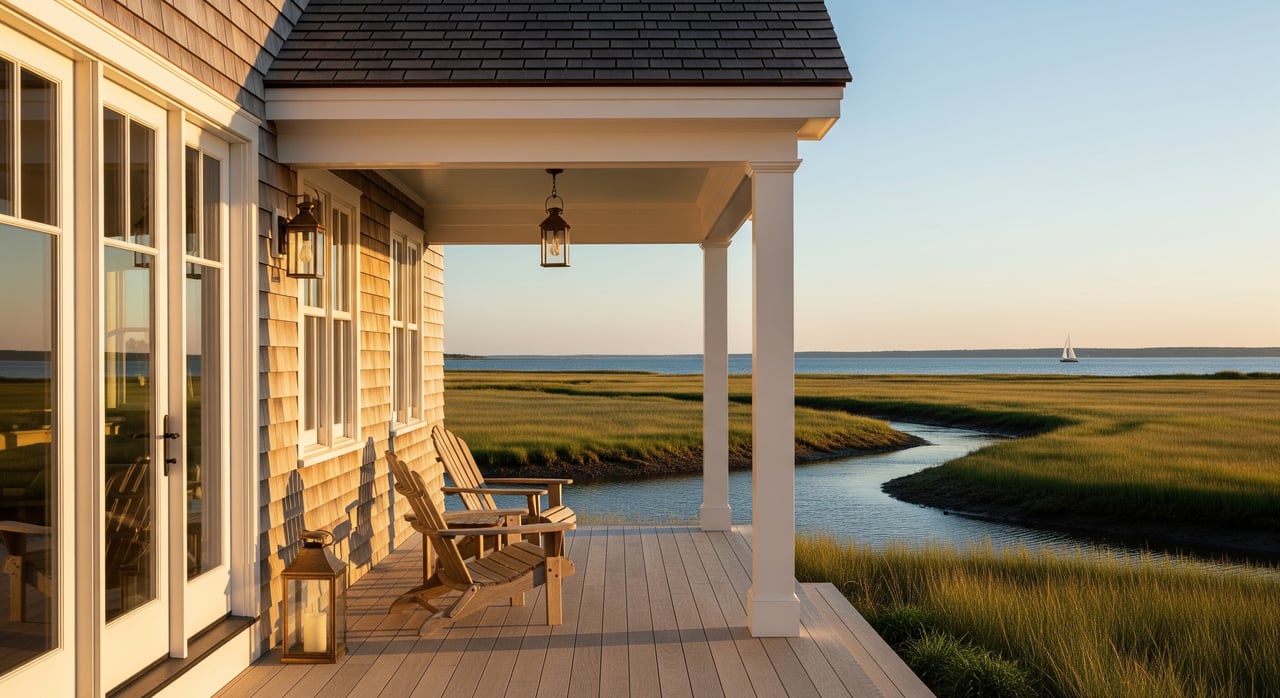
Stage porches, patios, and terraces with comfortable, low‑clutter seating that hints at a waterfront lifestyle. Maintain a clear, stable path to the shore or dock with non‑slip surfaces where practical. Supervise dock access during showings and post clear instructions for agents and visitors.
Trim or remove overgrowth that blocks views, and consider native coastal plantings that signal erosion control and low maintenance. Keep lawn edges crisp and remove invasive species. If you have a shoreline management plan, have a brief summary ready for buyers.
If the home is in a beach association, prepare simple maps or captions that show the route to the beach, where to park, and how guest access works. Visible, well‑kept signage for assigned or shared access reduces confusion during showings.
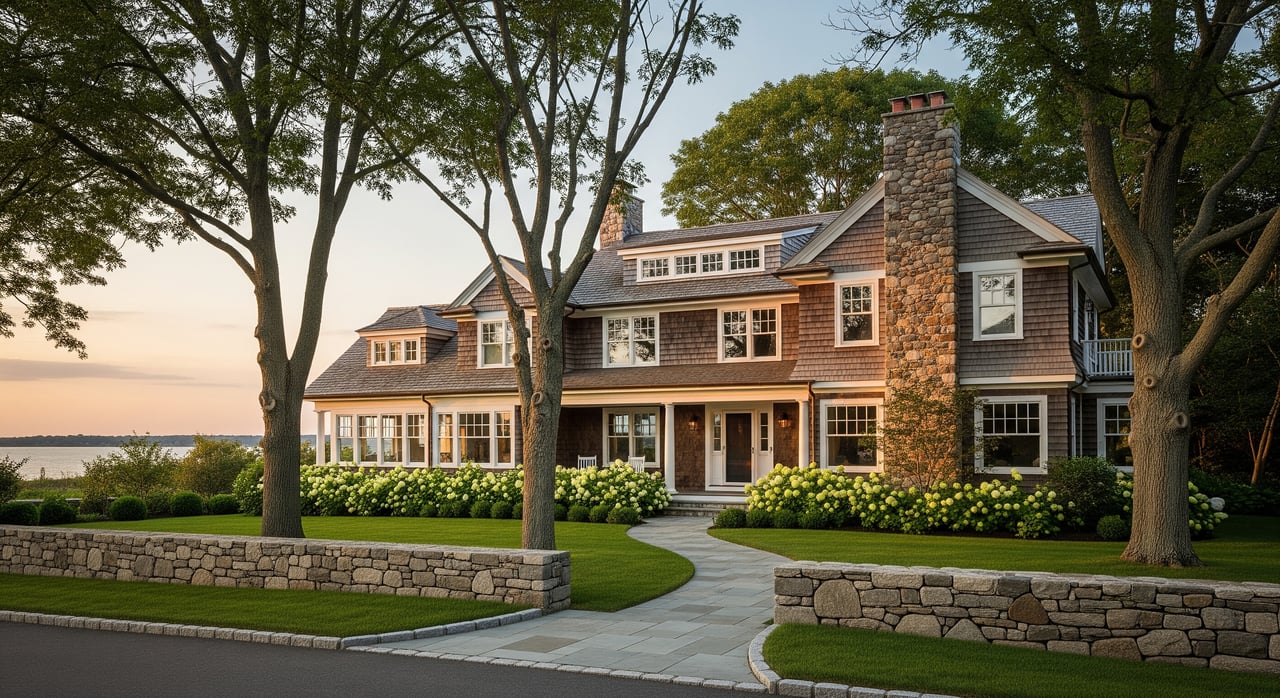
Invest in professional interior and exterior photography, including twilight shots that highlight reflections and outdoor lighting. Aerial photos and video are vital for showing lot context and shoreline configuration, so hire a certificated drone operator. Add a high‑quality video walkthrough, a 3D tour, and accurate floor plans, plus a printable features sheet that summarizes water access, mooring options, association rules, and recent maintenance.
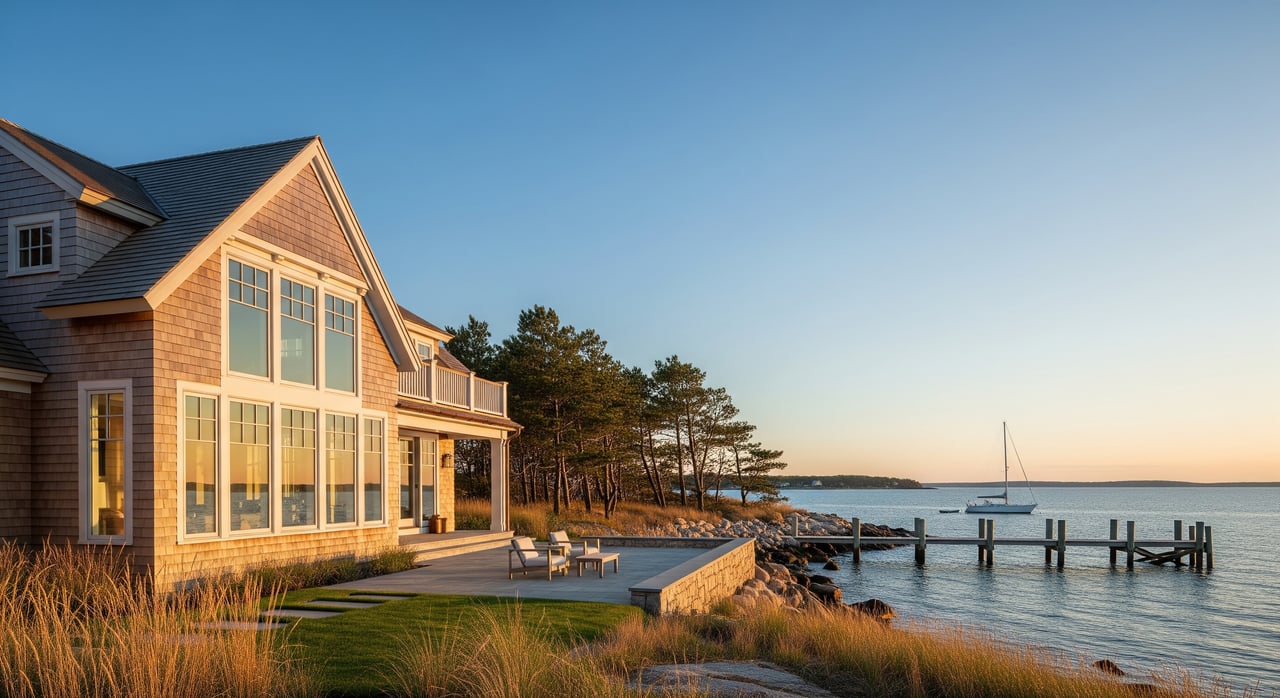
Plan dock and shoreline photos around a representative tide using NOAA tide predictions. Golden hour and twilight are compelling for waterfront listings, so test exterior lighting and schedule accordingly. Avoid high wind or storm days that make water activity and outdoor spaces look uninviting.
Commercial drone work should be done by a pilot certificated under FAA Part 107, with appropriate insurance. Confirm any local restrictions with your pilot, especially near harbor facilities. Be mindful of neighbor privacy and any association rules about aerial imagery.
Describe the type of waterfront clearly: direct frontage, tidal marsh, river, Long Island Sound, or association access. Clarify rights and logistics such as private or shared docks, mooring availability, beach passes, parking, tide‑dependent access, and seasonal notes. Use clear captions on aerials to mark property boundaries and the location of community access.
Waterfront buyers look for clarity, safety, and a strong visual story. When you provide the right documents, handle small repairs, and time your media with tides and light, you put your property in the best position to earn top attention. If you would like a personalized plan and coordinated vendor support, connect with The Thomas & LaBonne Team to get started.
Stay up to date on the latest real estate trends.



With a passion for real estate and a deep understanding of the market, Dave Thomas is committed to delivering results that exceed expectations. Work with the trusted agent who knows Southeastern Connecticut inside and out.