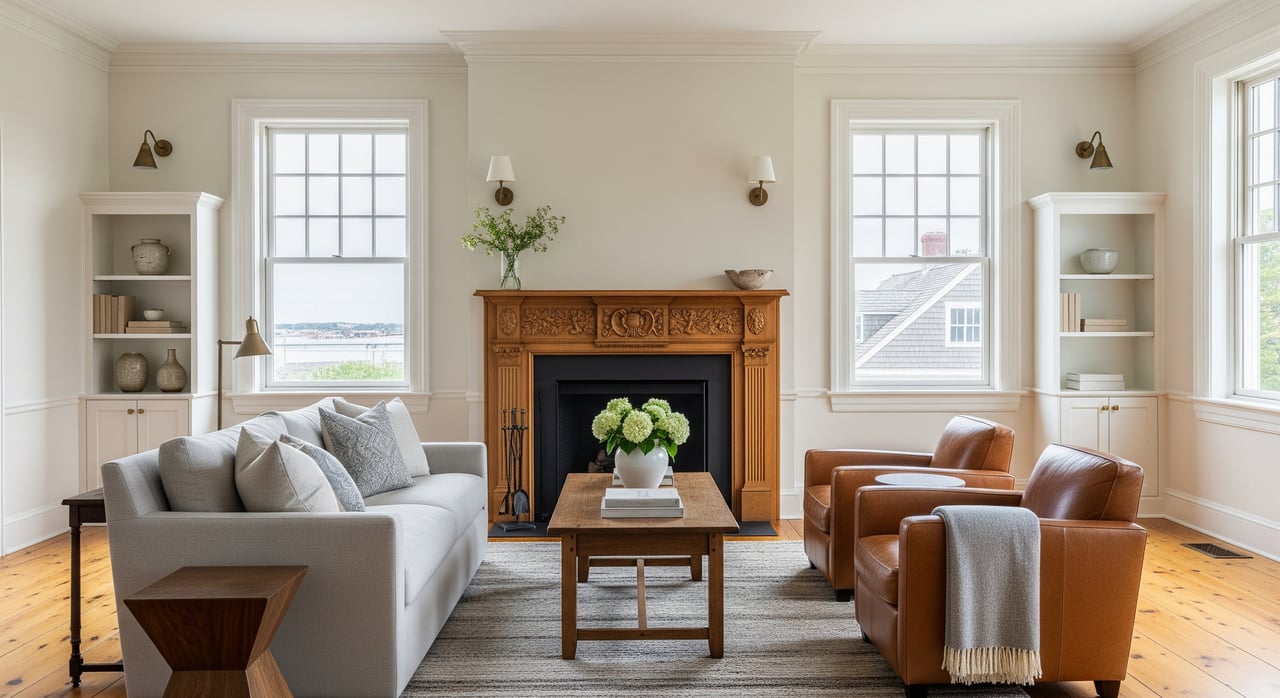
Historic Staging & Marketing for Stonington Borough Homes
October 16, 2025
October 16, 2025
Selling a Stonington Borough classic is different from listing a newer home. You are stewarding a piece of local maritime history and still need to meet today’s buyer expectations. In this guide you will learn how to stage for broad appeal without losing the charm that makes your house special, plus the key rules and documents to have ready. Let’s dive in.
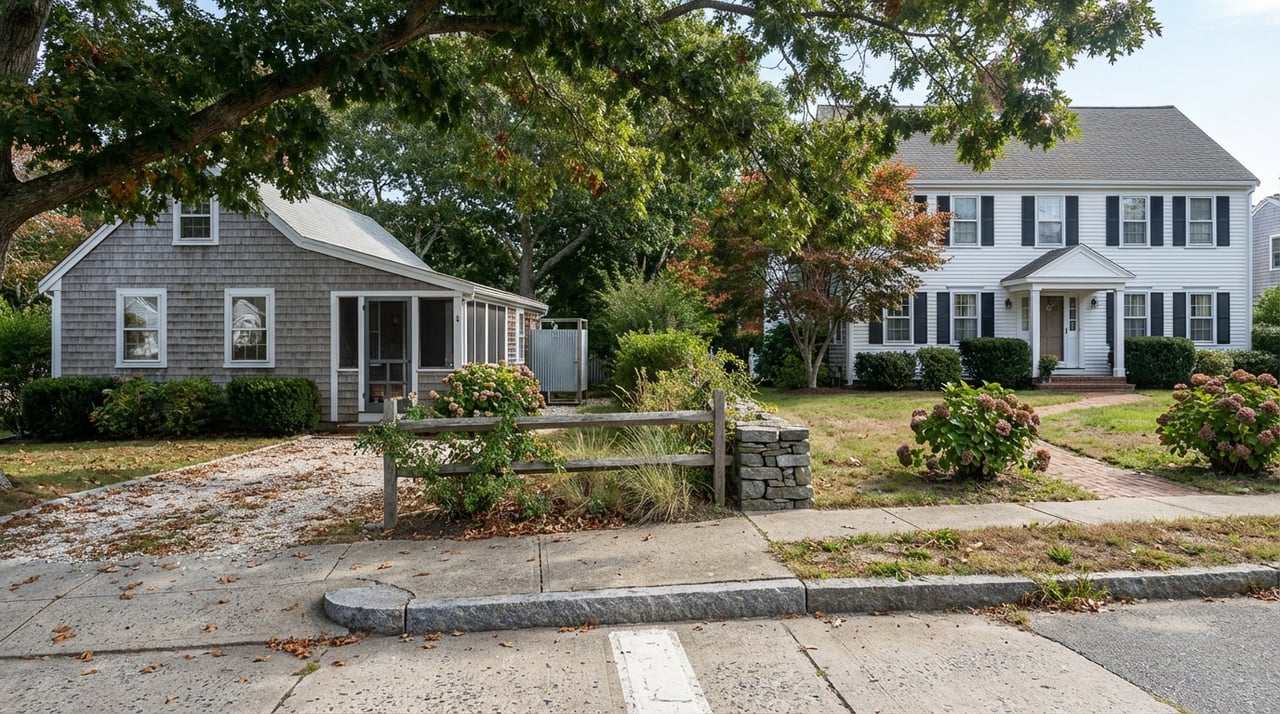
Stonington Borough is the oldest borough in Connecticut and is known for its 18th and 19th century architecture and maritime roots. That heritage is part of your home’s value, and buyers often respond to it. Many shoppers are drawn to the borough’s walkability and character, which means well presented historic details can become your biggest selling points. Highlighting those details while making daily living feel effortless is the goal.
Key takeaway: Preserve and showcase original features, and pair them with simple, modern comforts.
If your home sits in a local historic district, exterior changes visible from a public way typically require a Certificate of Appropriateness. Windows, doors, porches, fencing, additions, and visible mechanicals often fall under review. Paint color is often not regulated by state statute, but always confirm local rules.
Key takeaway: Check COA requirements first so your pre sale work does not create delays later.
You do not need a full restoration to make a strong first impression. Focus on safety, cleanliness, and simple, reversible improvements.
Key takeaway: Clean, safe, and historically sympathetic curb appeal invites buyers in.
Set the tone where buyers linger. Remove bulky furniture to restore flow, and create one clear focal point per room such as a fireplace, a built in, or a notable window.
Choose warm, neutral palettes that complement existing trim and floors. Keep window treatments minimal to maximize daylight. If floors are original, consider spot refinishing or professional cleaning rather than replacement and keep records of any work done.
You can elevate these spaces without a gut renovation. Focus on high impact, reversible upgrades.
Use a few period appropriate pieces to reinforce character, then balance with clean lined, contemporary furnishings. This helps buyers who love history and those who prefer modern style imagine themselves in the home.
Key takeaway: Highlight character defining elements and give every room a clear, livable purpose.
Great staging deserves great visuals. Capture closeups of mantels, original staircases, moldings, and unique windows along with wide shots that show room flow. A simple floor plan helps buyers understand circulation. Include a brief factsheet with the build year and any notable history to create an emotional connection.
Key takeaway: Strong photography and a short backstory turn features into value.
Historic homes often have compact rooms or angled spaces. Play to scale and define how each area lives.
If your house was built before 1978, federal law requires you to provide buyers with the EPA or HUD lead pamphlet and to disclose known lead based paint or hazards. Offer buyers the opportunity for lead testing and keep any documentation organized. Renovation work that disturbs painted surfaces in pre 1978 homes must follow EPA’s RRP rule when done for compensation.
Key takeaway: Clear, compliant documentation reduces friction during buyer due diligence.
Address issues that can derail financing or inspections such as roof leaks, hazardous wiring, or failing HVAC. Skip irreversible cosmetic changes that remove historic fabric just to chase trends. If you plan substantive rehabilitation, explore whether your home is eligible for Connecticut’s Historic Homes Rehabilitation Tax Credit and follow program standards from the start.
Key takeaway: Invest where it removes risk, and use credits when appropriate to offset bigger work.
Ready to position your Stonington Borough classic for the right buyers? Let’s craft a staging and marketing plan that respects your home and drives results. Connect with The Thomas & LaBonne Team to get started.
Stay up to date on the latest real estate trends.





With a passion for real estate and a deep understanding of the market, Dave Thomas is committed to delivering results that exceed expectations. Work with the trusted agent who knows Southeastern Connecticut inside and out.