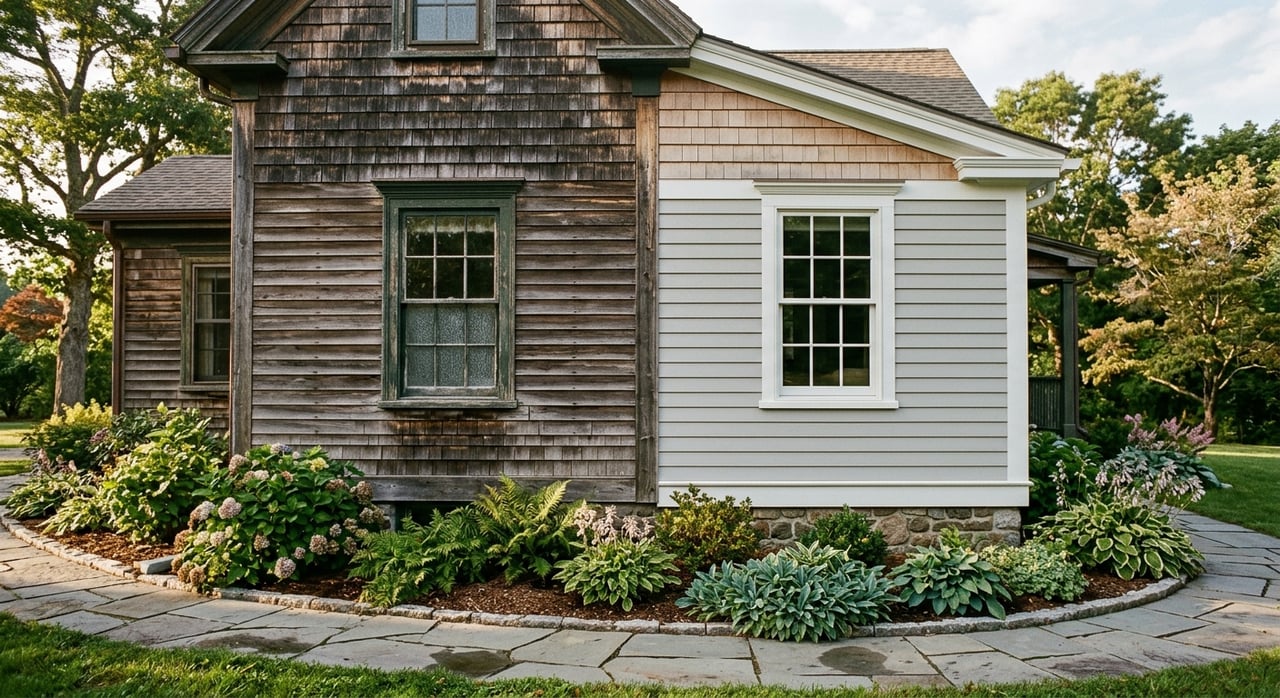
Historic Charm Or New Construction? Deciding In Stonington
April 16, 2026
April 16, 2026
Trying to choose between a historic home and new construction in Stonington? You are not alone. In this shoreline town, that decision is rarely just about style. It is also about upkeep, energy use, flood exposure, permitting, and how a property fits into the character of its location. If you are weighing charm against convenience, this guide will help you compare both paths with more confidence. Let’s dive in.
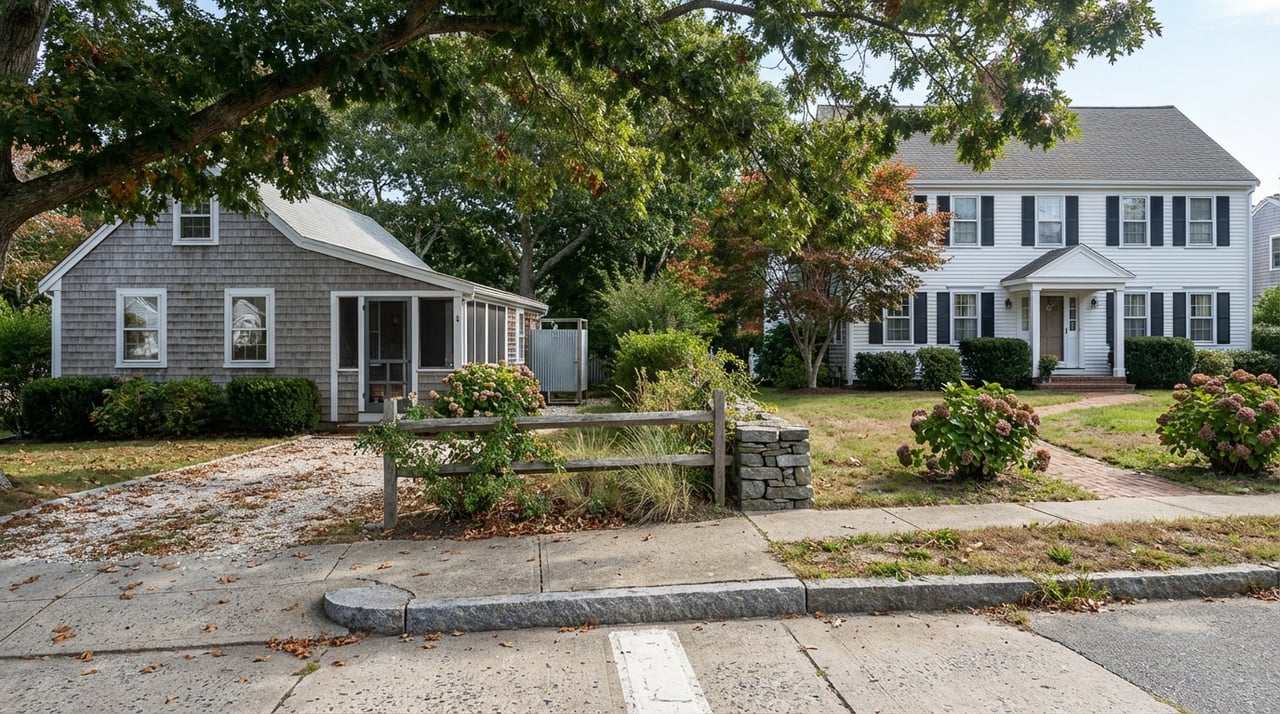
Stonington is a place where location shapes the homeownership experience. The town describes itself as a shoreline community with both seaside and semi-rural neighborhoods, and its identity is closely tied to places like the Borough and Mystic, where maritime history and older housing stock still define the streetscape. The Town of Stonington overview makes clear that historic character here is connected to specific villages, not just to a home’s age.
That matters because a home in Stonington can come with very different considerations depending on where it sits. The town’s zoning map atlas includes Flood Hazard Overlay District and Coastal Area Management Overlay District layers, which can affect future plans and ownership costs. In other words, the better question is often not simply old versus new, but where in Stonington and under what local conditions.
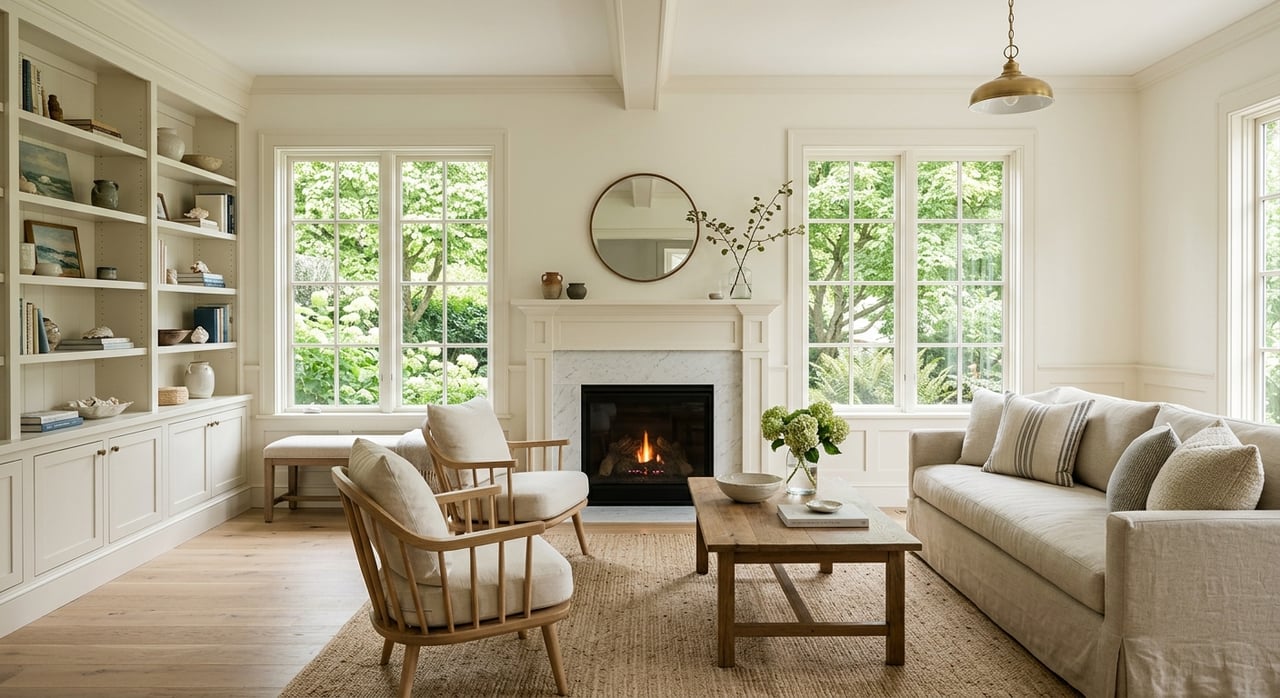
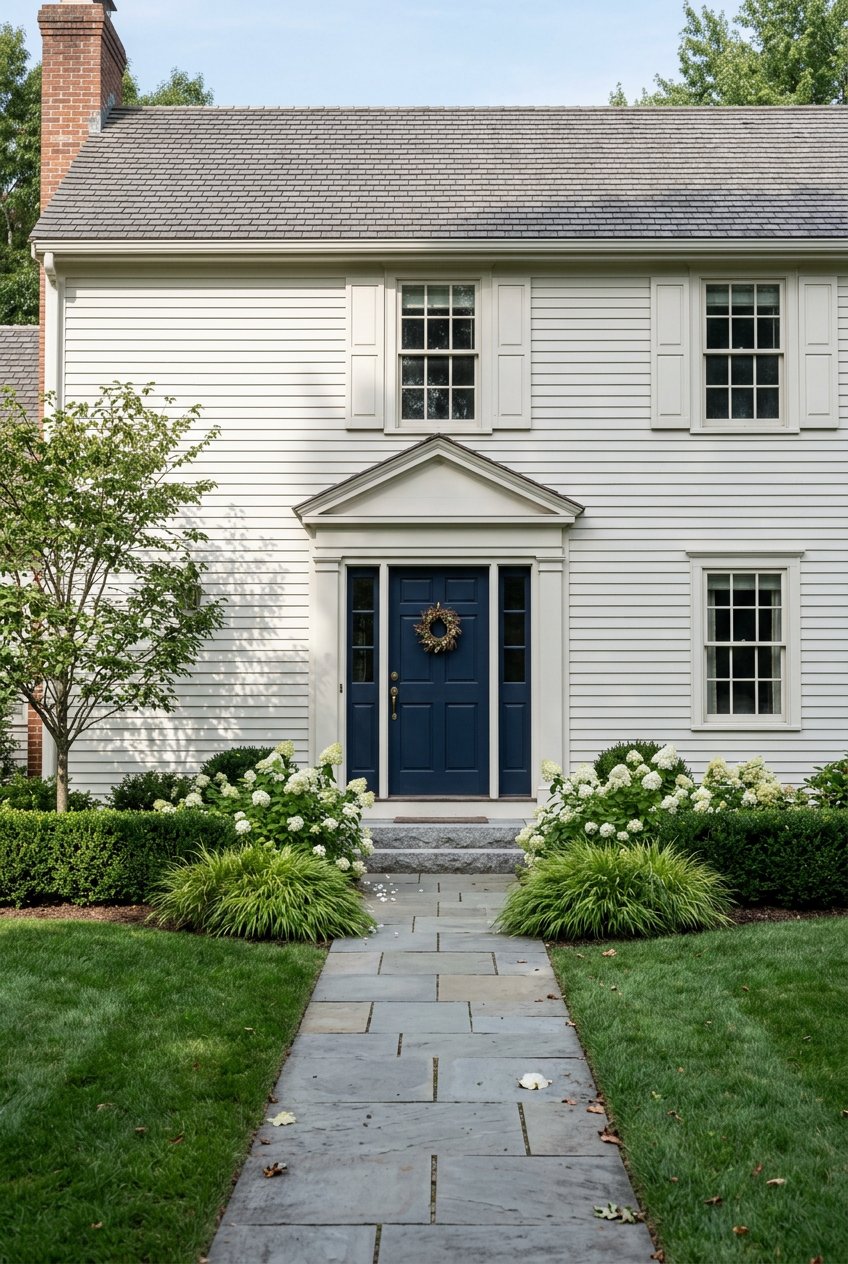
Historic homes in Stonington often deliver what new builds cannot easily replicate: original materials, established settings, and a strong sense of place. In villages with deep maritime roots, that can mean former mariners’ homes, period details, and architecture that feels tied to the town’s story.
Older homes can also be more comfortable than many buyers expect. According to the National Park Service guidance on energy efficiency in historic buildings, many historic structures were built with features like operable windows, natural light, overhanging eaves, and heavy masonry walls that support passive comfort.
Still, historic charm usually comes with a tradeoff. A beautiful older home may need more maintenance and a more thoughtful upgrade plan than a newer property.
If you are considering an older Stonington property, your biggest costs may not be cosmetic. They are often tied to weatherization, deferred maintenance, and systems that need careful updating.
The National Park Service notes that common energy issues in historic homes include air infiltration around windows and doors, along with insulation challenges in attics and walls. Its guidance on weatherization for historic windows and doors recommends repair or upgrade first when possible, rather than assuming full replacement is the best answer.
That is useful for buyers because it changes how you should evaluate an older house. Instead of asking whether everything is brand new, ask whether the home has a sensible plan for comfort, efficiency, and preservation.
One common concern is whether a historic designation automatically limits what you can do. In many cases, the answer is no. The National Register FAQs explain that listing on the National Register by itself does not impose federal restrictions on a private owner.
For Stonington buyers, local rules matter more. The town’s zoning regulations require Architectural Design Review for new commercial, institutional, industrial, multi-family, or mixed-use construction and major exterior changes to those uses, but not for single-family, duplex, or triplex homes in residential districts, according to the current Stonington zoning regulations.
There may also be financial upside to buying and improving the right historic property. Connecticut’s Historic Homes Rehabilitation Tax Credit offers a 30% return of up to $30,000 for qualifying owner-occupied historic homes, subject to eligibility requirements including primary residence use and a minimum project cost of $15,000.
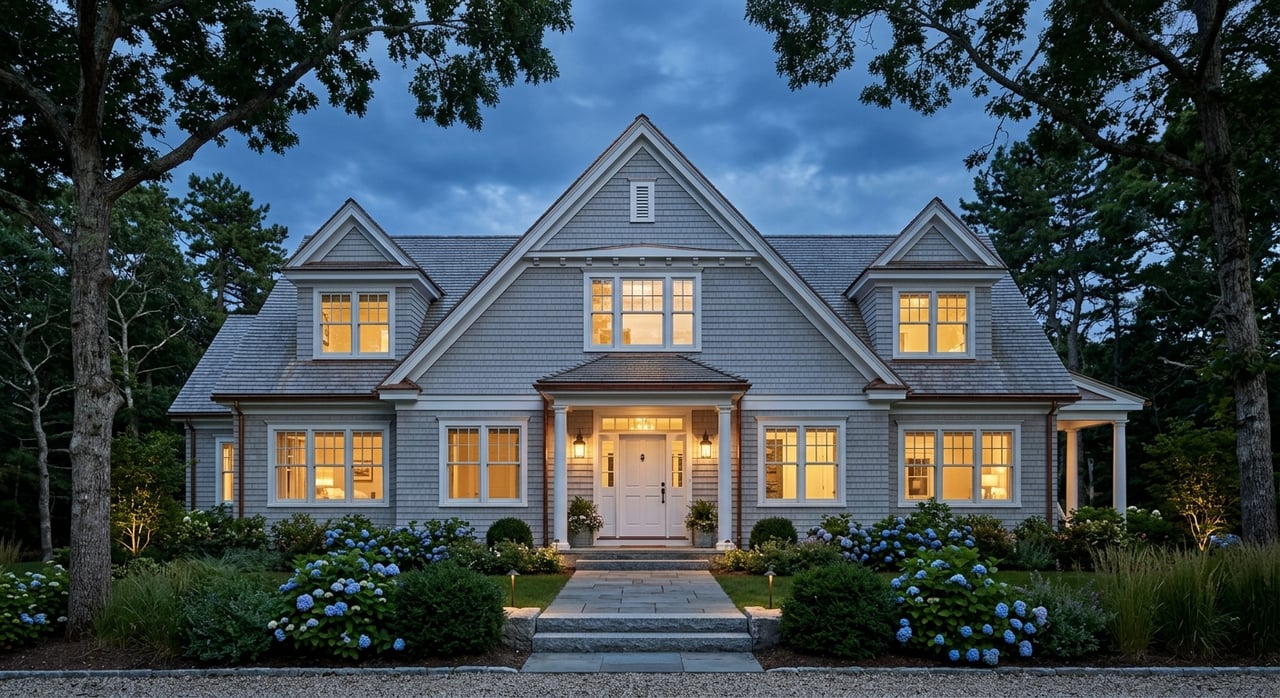
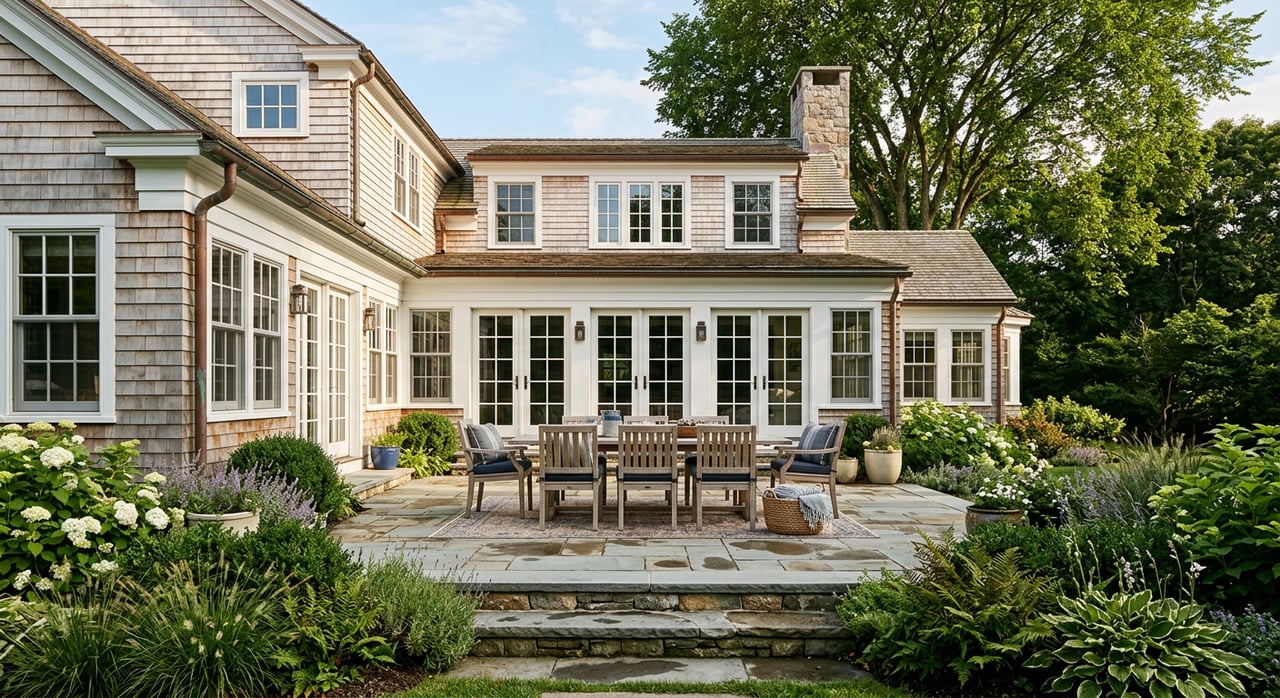
New construction tends to appeal to buyers who want a more predictable ownership experience. In many cases, you get code-era efficiency, fewer near-term repairs, and a more straightforward maintenance outlook.
That efficiency advantage is real. Connecticut’s current state building code applies to projects filed from October 1, 2022 and includes the 2021 International Energy Conservation Code. The EPA notes that modern energy codes are designed to create a minimum efficiency baseline and can lock in meaningful savings at the time of construction.
Some new homes go even further. EPA materials on ENERGY STAR certified new homes state that these homes are at least 10% more efficient than homes built to code and average about a 20% improvement.
If you are building or buying a newly built home in Stonington, the process is structured. The town’s Building Official page notes that paper permits are no longer accepted and that projects may require a range of inspections, including footings, rough-in, insulation, service-related inspections, septic when required, and final occupancy.
That structure can be helpful because it creates a clearer administrative roadmap. At the same time, it means your timeline will depend on approvals, inspections, and zoning compliance. The town also states that a certificate of occupancy cannot be issued until zoning compliance is in place.
For most single-family buyers, design review is less of a concern than it is for larger project types. Even so, because Stonington is in a broader zoning rewrite process, it is smart to confirm which rules apply to a parcel before assuming an older standard still governs.
In Stonington, coastal ownership costs can outweigh the old-versus-new debate. A house may look ideal on paper, but flood exposure and shoreline-related regulations can reshape affordability over time.
The town says on its flood awareness page that about one-third of parcels are within a Special Flood Hazard Area. The zoning regulations also define coastal areas where flood protection is part of the district purpose, which is one reason two similar-looking homes can carry very different long-term costs.
Before you move forward on any shoreline or low-lying property, confirm whether the parcel falls within flood-related or coastal overlay areas using the town’s zoning atlas. That can affect insurance, additions, drainage work, and future renovation plans.
| Consideration | Historic Home | New Construction |
|---|---|---|
| Character | Original details and village identity | Clean slate and modern finishes |
| Maintenance | Often higher and more ongoing | Usually lower at the start |
| Energy performance | Depends on upgrades and weatherization | Built to current code standards |
| Improvement strategy | Repair and preservation often matter most | Fewer immediate upgrades needed |
| Incentives | May qualify for historic tax credits | Efficiency benefits are often built in |
| Process risk | More condition-based unknowns | More permit- and timeline-based planning |
| Location sensitivity | Often tied to village context and overlays | Still affected by flood and zoning rules |
Whether you love old houses or prefer something turnkey, Stonington rewards careful homework. A thoughtful review can help you avoid surprises and focus on the ownership experience you actually want.
Use this checklist as you compare options:
If you are drawn to Stonington for its village identity, historic architecture, and connection to the shoreline’s past, an older home may be the right fit. You may accept more maintenance and weatherization work in exchange for character, setting, and possible rehabilitation incentives.
If you want efficiency, predictability, and lower near-term repair needs, new construction may be the stronger choice. You will likely benefit from current code standards, newer materials, and a more straightforward ownership ramp-up.
In the end, the best choice is the one that matches your priorities, your budget, and your tolerance for future upkeep. If you want guidance comparing historic properties, newer homes, or location-specific tradeoffs in Stonington, The Thomas & LaBonne Team can help you evaluate your options with clear, local insight.
Stay up to date on the latest real estate trends.

With a passion for real estate and a deep understanding of the market, Dave Thomas is committed to delivering results that exceed expectations. Work with the trusted agent who knows Southeastern Connecticut inside and out.